
If you’ve ever thought about learning piano as an adult, chances are you’ve asked yourself this question:
“Is it too late for me to learn piano?”
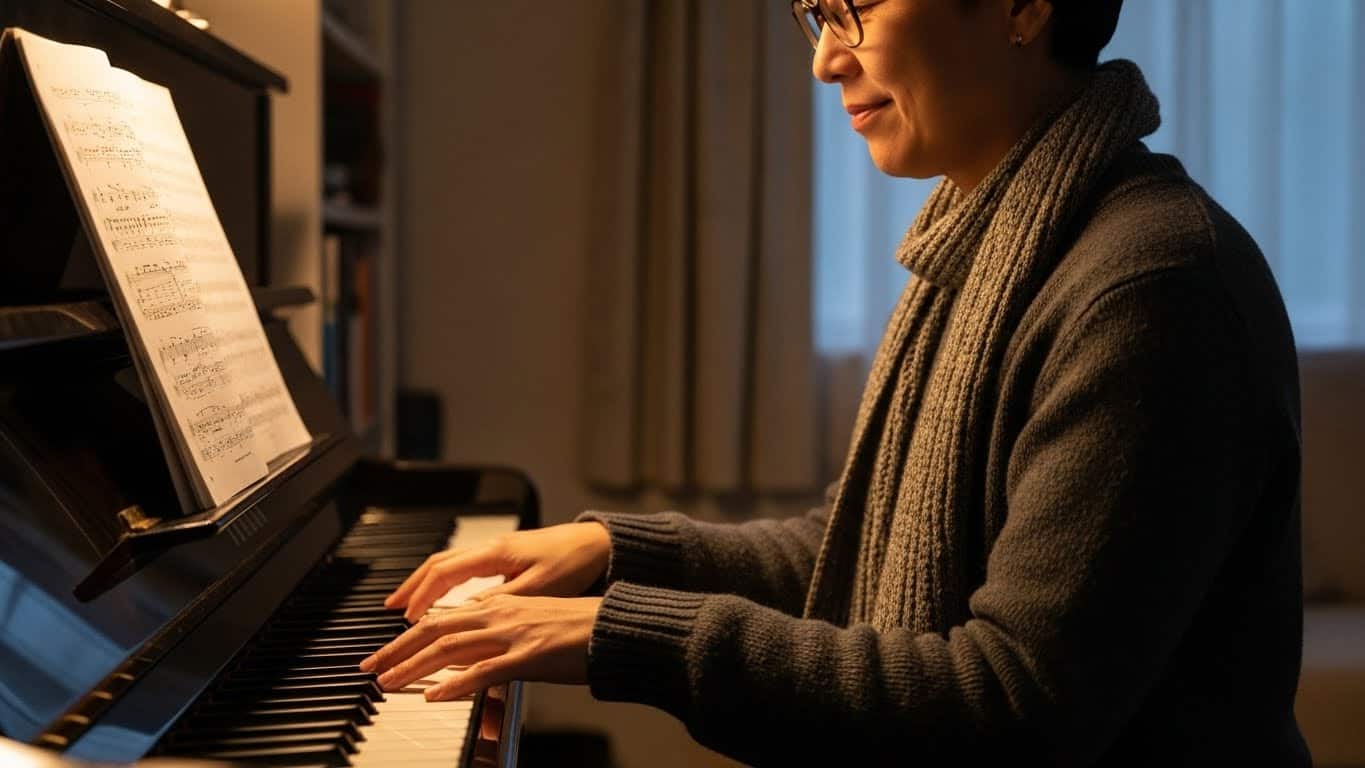
You might be in your 30s, 40s, 50s — or even older — and feel like you missed your chance.
Maybe you believe piano is something you have to start as a child, or that adults simply don’t learn music as well.
Here’s the honest truth:
👉 It is NOT too late to learn piano as an adult.
And in many ways, adults can actually learn more effectively than children — when they follow the right approach.
This article will break down the reality behind adult piano learning, what really matters (and what doesn’t), and how you can start learning piano today — even with zero experience.
Why So Many Adults Believe It’s “Too Late”
The idea that piano is only for kids didn’t come from nowhere. It’s been reinforced for decades.
1. Most Piano Education Is Child-Focused
Traditional piano lessons are designed for:
- Children
- School systems
- Exams and grading
Adults rarely see themselves represented in piano education marketing, which creates the illusion that piano learning has an “age limit.”
2. We Compare Ourselves to Advanced Pianists
Adults often compare themselves to:
- Professional pianists
- People who’ve played since childhood
- YouTube performers with years of experience
This comparison is unfair — and unhelpful.
You don’t need to become a concert pianist to enjoy piano.
3. Fear of Failure Feels Bigger as an Adult
Children learn through play and mistakes.
Adults tend to:
- Overthink
- Fear looking “bad”
- Expect fast perfection
This mindset — not age — is what stops most adults from progressing.
The Reality: Adults Can Learn Piano (And Often Faster)
Here’s something most people don’t realize:
👉 Adults have several advantages over children when learning piano.
1. Better Focus and Discipline
Adults:
- Understand goals
- Can practice intentionally
- Know why they want to learn
This leads to more efficient practice.
2. Stronger Pattern Recognition
Piano is a highly logical instrument:
- Repeating key patterns
- Chord structures
- Musical relationships
Adults are better at recognizing and applying these patterns quickly.
3. Clear Motivation
Adults usually learn piano because they want to:
- Relax
- Play favorite songs
- Reduce stress
- Enjoy music after work
This intrinsic motivation leads to long-term success.
👉 For a structured beginner roadmap, see our main guide:
Learn Piano for Beginners (Adult-Friendly Step-by-Step Guide)
What Age Is “Too Old” to Learn Piano?
Let’s be clear:
There is no upper age limit for learning piano.
People successfully start piano in their:
- 30s
- 40s
- 50s
- 60s and beyond
What does matter is:
- The learning method
- Practice consistency
- Expectations
Age is not the deciding factor — approach is.
What Adults Should Expect (Honest Timeline)
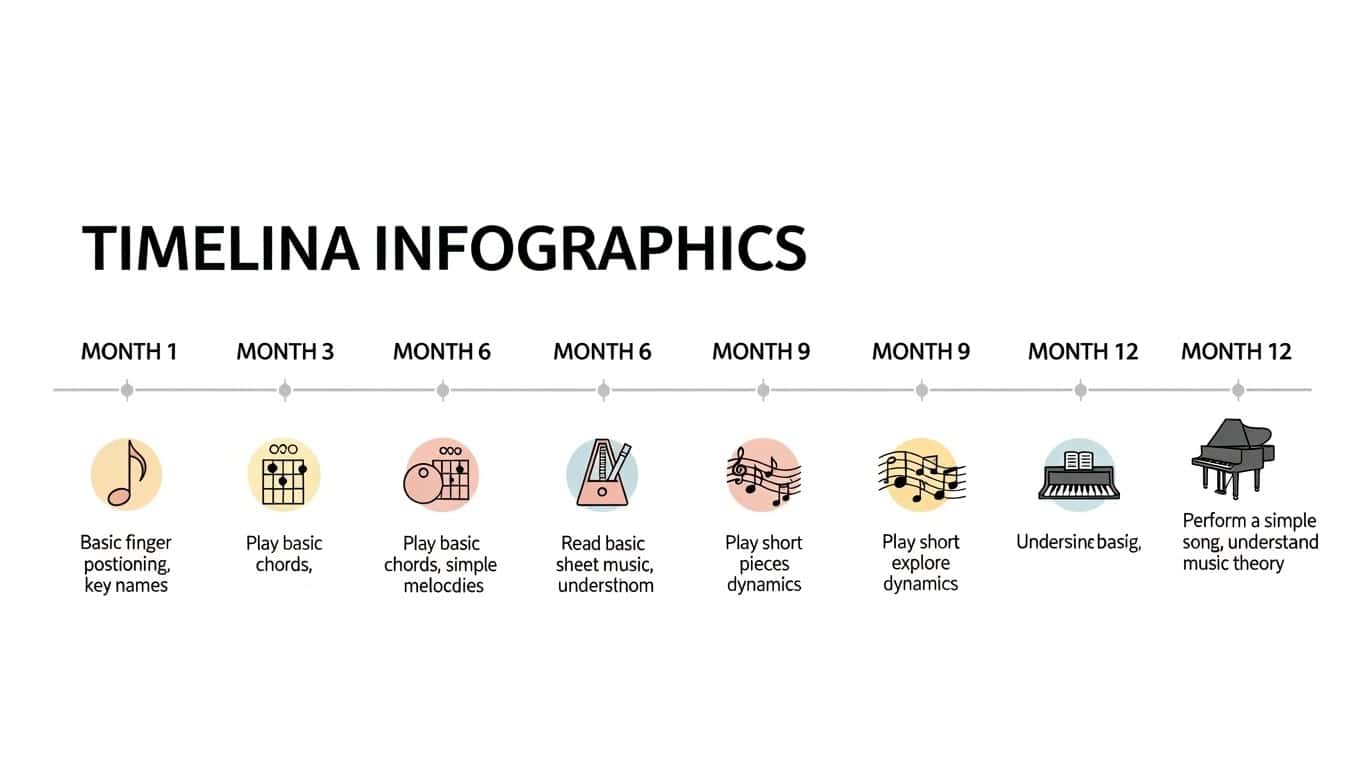
Let’s set realistic expectations.
You probably won’t:
❌ Become a concert pianist in 6 months
❌ Sight-read advanced classical pieces immediately
But you can:
✅ Play real songs
✅ Accompany yourself with chords
✅ Sound musical and confident
✅ Enjoy piano as a lifelong skill
A Realistic Adult Beginner Timeline
- First 30 days:
Learn basic chords, hand positions, simple patterns - 90 days:
Play full songs using chord progressions - 6 months:
Strong foundation, rhythm confidence, improvisation basics
Progress comes from consistency, not age.
Why Traditional Piano Lessons Often Fail Adults
Many adults quit piano not because they’re “bad,” but because the method doesn’t fit them.
Common Problems with Traditional Lessons
- Heavy focus on sheet music
- Slow progress before playing songs
- Too much theory too early
- Child-centered teaching style
Adults want results they can feel and hear.
This is why many adults succeed faster with modern, chord-based learning.
👉 Learn more here:
How to Learn Piano Without Sheet Music
Do You Need to Read Sheet Music as an Adult?
No — at least not at the beginning.
Many adult beginners:
- Learn through chords
- Play by ear
- Use patterns instead of notation
Sheet music is a tool, not a requirement.
You can:
- Play songs
- Enjoy piano
- Sound great
without reading traditional notation early on.
This approach reduces frustration and increases motivation.
How Busy Adults Can Learn Piano Successfully
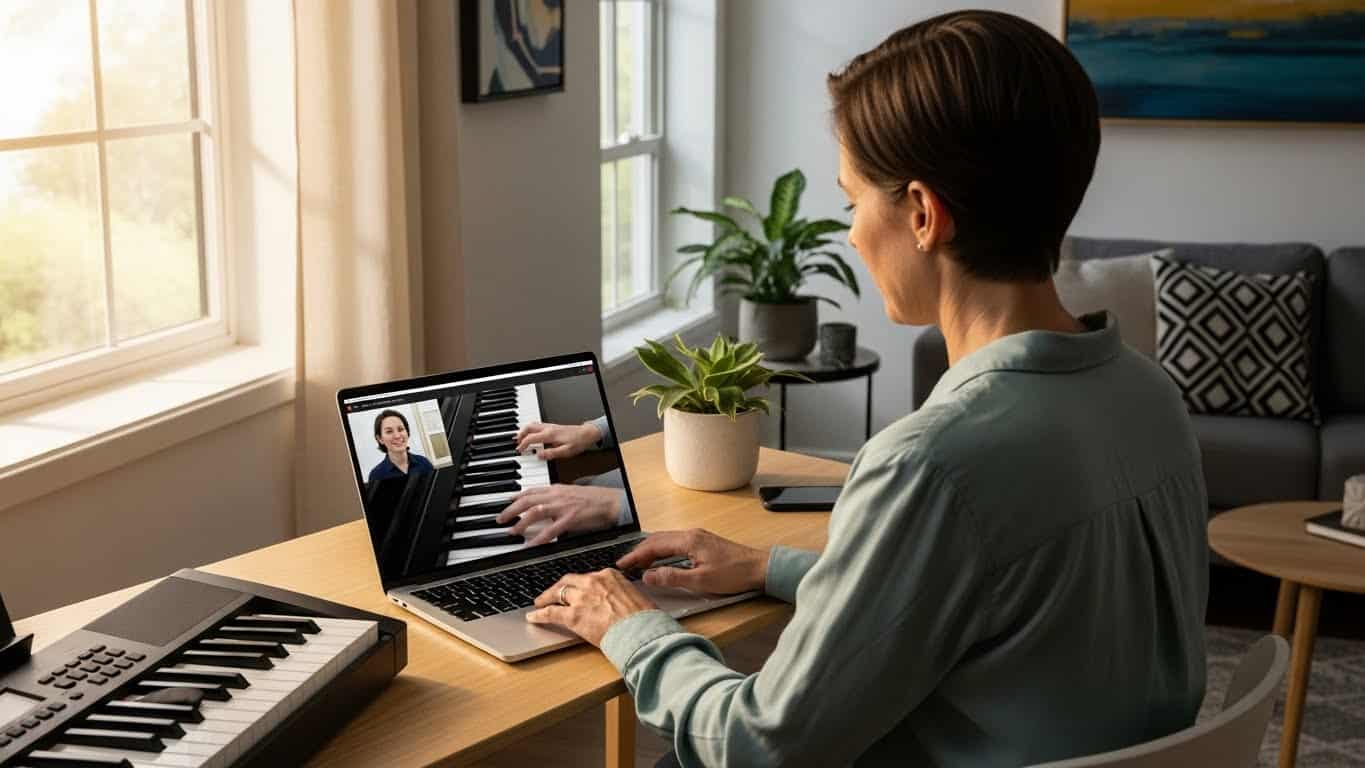
One of the biggest advantages of adult learning today is flexibility.
You Do NOT Need:
- Daily 2-hour practice sessions
- Weekly in-person lessons
- Expensive teachers
What You DO Need:
- 20–30 minutes per session
- A clear learning structure
- Consistent weekly practice
👉 See a realistic routine here:
Piano Practice Routine for Beginners
Learning Piano at Home: A Game Changer for Adults
Thanks to online learning, adults can now:
- Learn at their own pace
- Practice privately
- Avoid schedule pressure
Structured online piano courses are especially effective for adult beginners.
👉 Compare options here:
Best Online Piano Courses for Beginners
One Learning Method That Works Especially Well for Adults
Many adult beginners succeed with chord-based piano systems that focus on:
- Playing songs early
- Understanding harmony intuitively
- Reducing theory overload
One of the most well-known courses using this approach is PianoForAll.
👉 Read the full breakdown here:
PianoForAll Review – Is It Worth It for Adult Beginners?
Common Myths About Learning Piano as an Adult
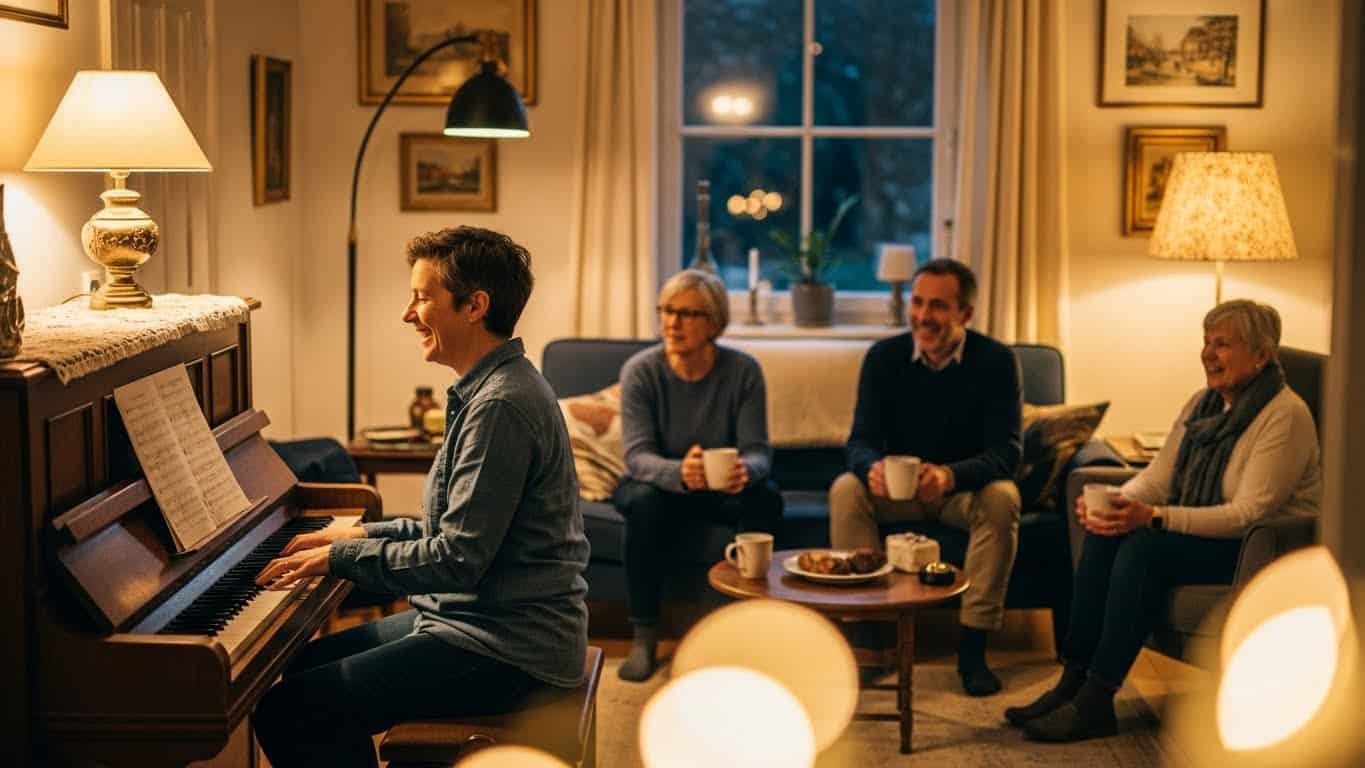
Let’s clear up a few myths:
❌ “I don’t have musical talent.”
Talent is not required. Piano is a learnable skill.
❌ “My hands are too stiff.”
Hand flexibility improves naturally with practice.
❌ “I’m not fast enough to learn.”
Speed doesn’t matter — consistency does.
Final Verdict: Is It Too Late to Learn Piano?
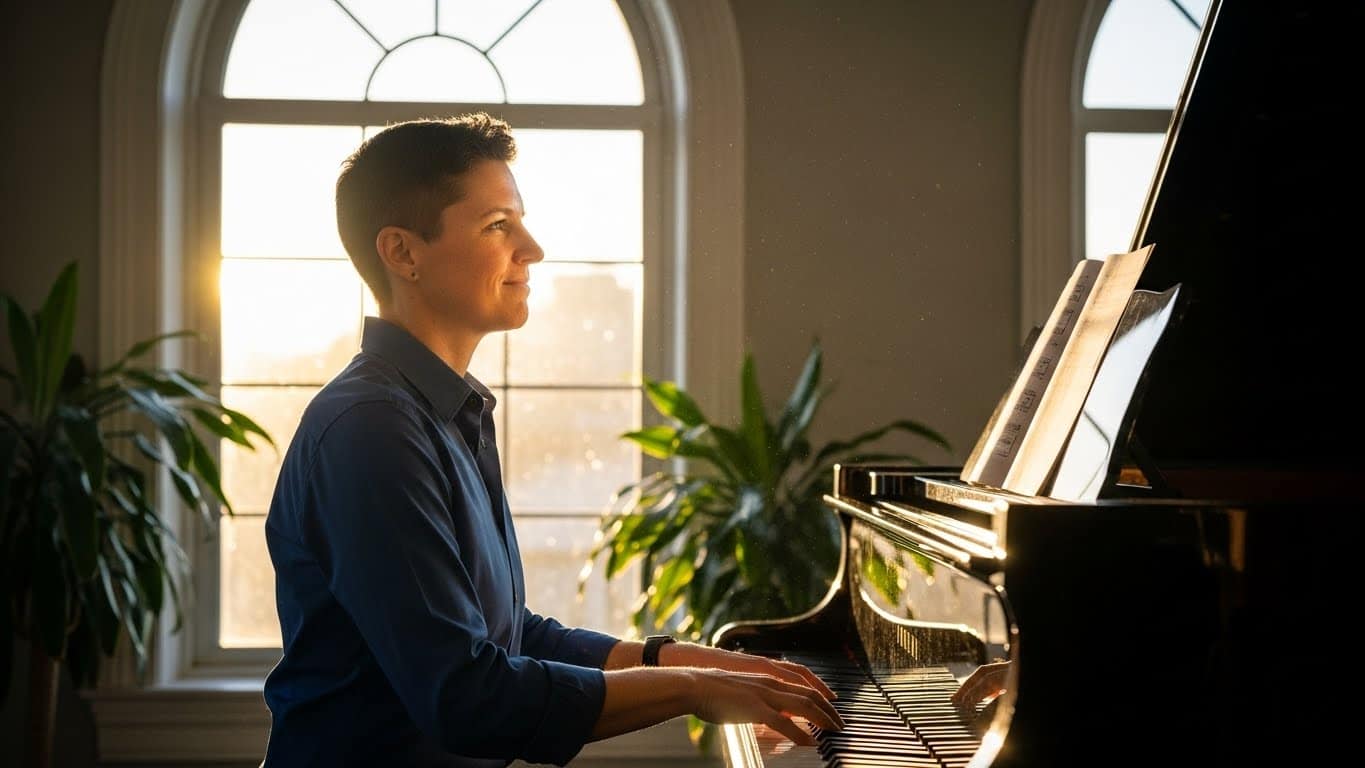
No. Absolutely not.
If you can:
- Follow instructions
- Practice consistently
- Be patient with yourself
You can learn piano at any age.
The key is choosing a method designed for adults — not one built for children or formal exams.
Next Step: Start the Right Way
If you’re serious about learning piano as an adult beginner, your next step should be:
👉 Follow a clear beginner roadmap:
Learn Piano for Beginners – Step-by-Step Guide
👉 Explore a beginner-friendly course:
Read the PianoForAll Review Here
Starting later in life doesn’t mean starting behind.
It simply means starting smarter.
📌 FAQ
❓ Is 40 too old to learn piano?
No. Many people successfully start learning piano in their 40s, 50s, and beyond. Adults often learn faster because they have better focus, motivation, and discipline than children.
❓ Can adults really learn piano from scratch?
Yes. Adults can learn piano from scratch even with no musical background. The key is using a beginner-friendly method designed for adults, focusing on chords, patterns, and practical playing instead of heavy theory.
❓ How long does it take to learn piano as an adult?
Most adult beginners can play simple songs within 30–90 days with consistent practice. Developing strong confidence usually takes 6–12 months, depending on practice time and learning method.
❓ Is piano harder to learn as an adult?
Not necessarily. While adults may take longer to develop finger strength, they often progress faster overall because they understand concepts better and practice more intentionally.
❓ Can I learn piano without a teacher?
Yes. Many adults successfully learn piano at home using structured online courses. This allows flexible schedules and self-paced learning without the pressure of in-person lessons.
❓ Do adults need to read sheet music to learn piano?
No. Many adults start learning piano without sheet music by using chord-based and pattern-based methods. Sheet music can be learned later if desired.